CONF-MLA 2025
The 3rd International Conference on Machine Learning and Automation (CONF-MLA 2025) is an annual conference focusing on research areas including engineering and machine learning applications. It aims to establish a broad and interdisciplinary platform for experts, researchers, and students worldwide to present, exchange, and discuss the latest advance and development in engineering and machine learning applications.
Cooperating with prestigious universities, CONF-MLA 2025 organized several symposium series in London, Piscataway, Beijing, Hongkong, Chicago and Glasgow. Dr. Hisham AbouGrad chaired the symposium "Intelligent Systems and Automation: AI Models, IoT, and Robotic Algorithms", which was held at University of East London. Dr. Ce Li chaired the symposium "Applied Artificial Intelligence Research", which was held at China University of Mining and Technology. Dr. Marwan Omar chaired the symposium "Convolutional Neural Networks: Limitations, Challenges, and Promising Directions", which was held at Illinois Institute of Technology. Prof. Anil Fernando chaired the symposium "Data Science and Information Compression: Hyperprior Models and Beyond", which was held at University of Strathclyde.
Symposium Series
University of East London
Symposium Chair: Dr. Hisham AbouGrad,Senior Lecturer in University of East London
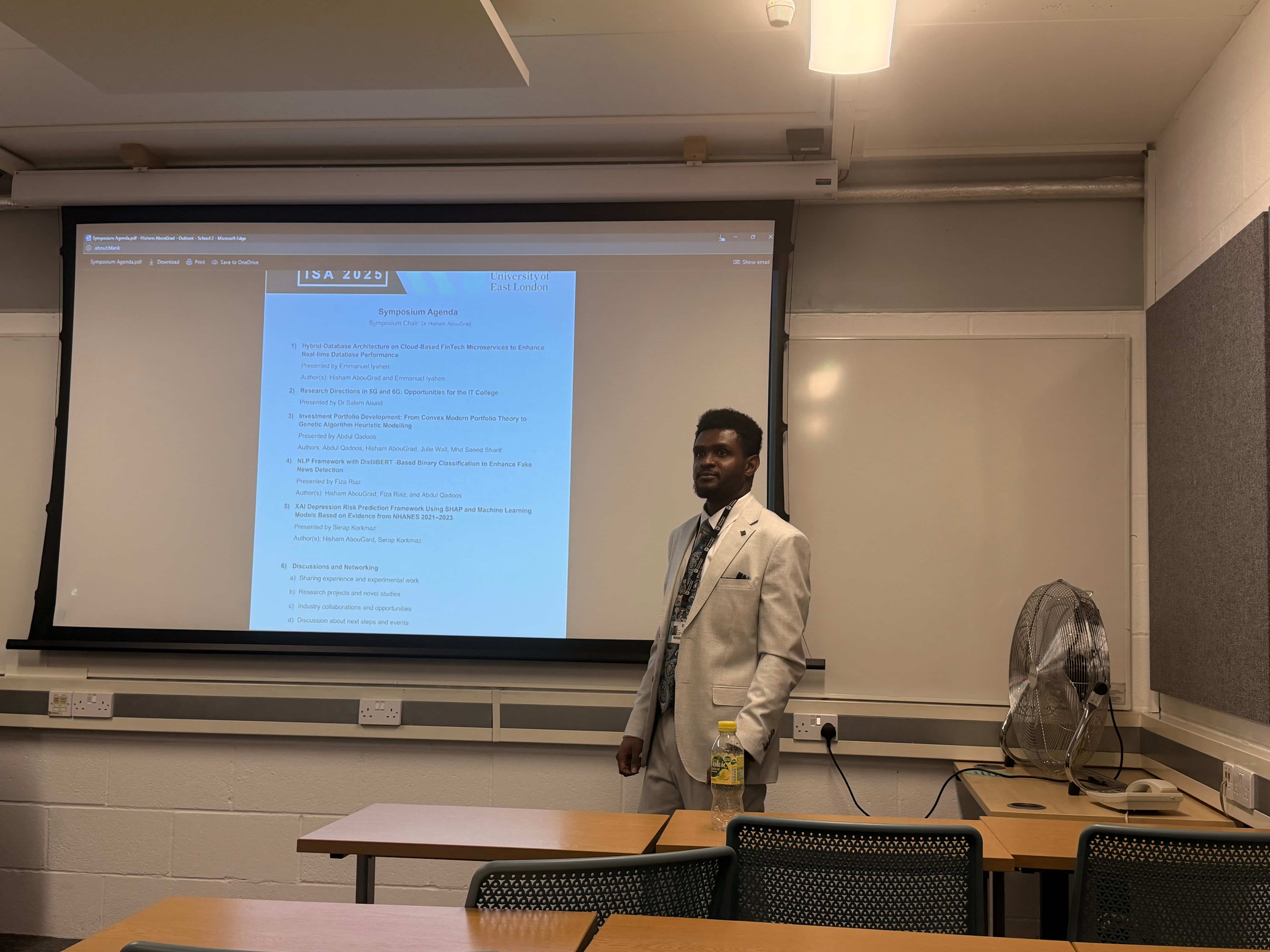
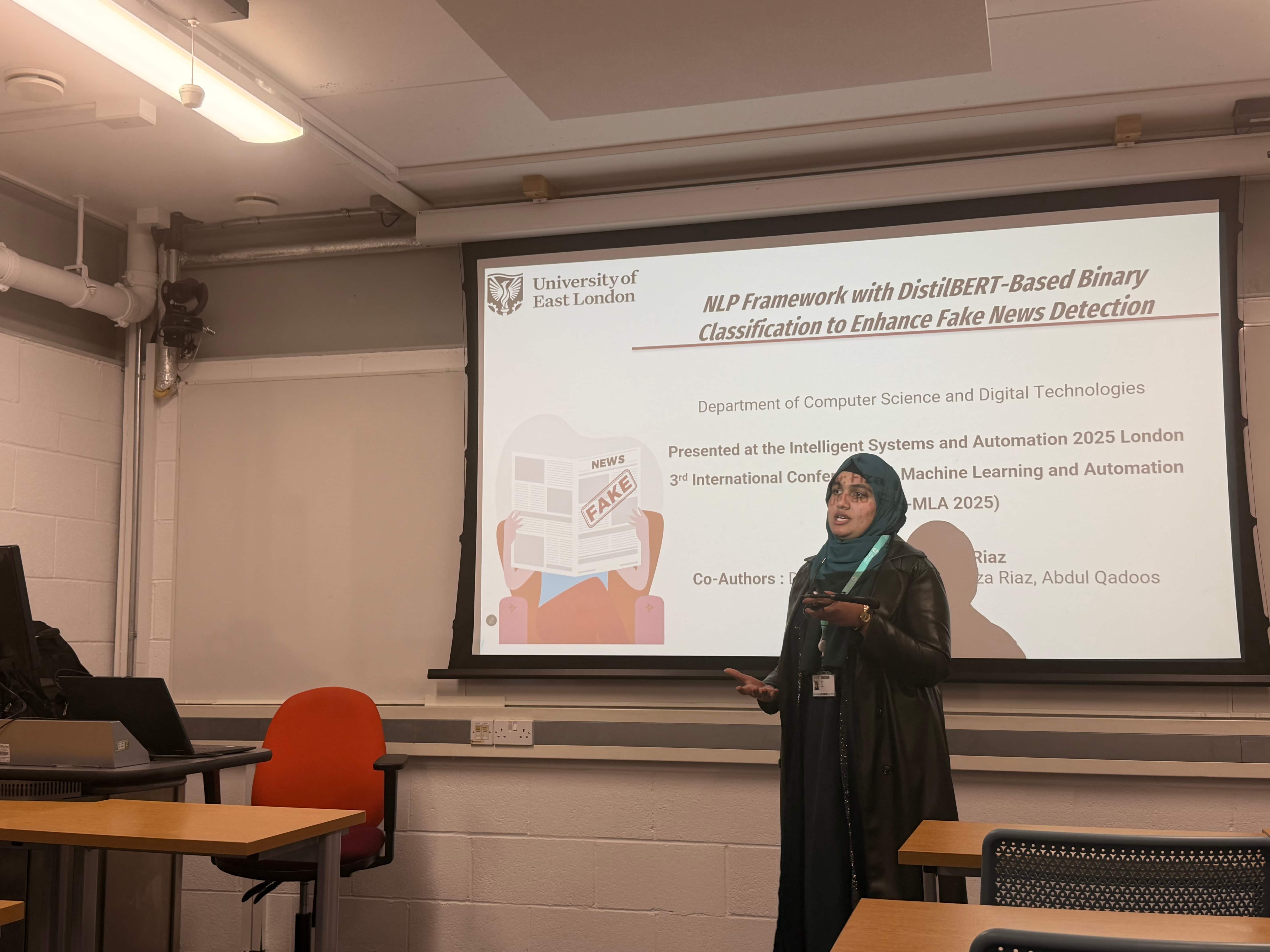
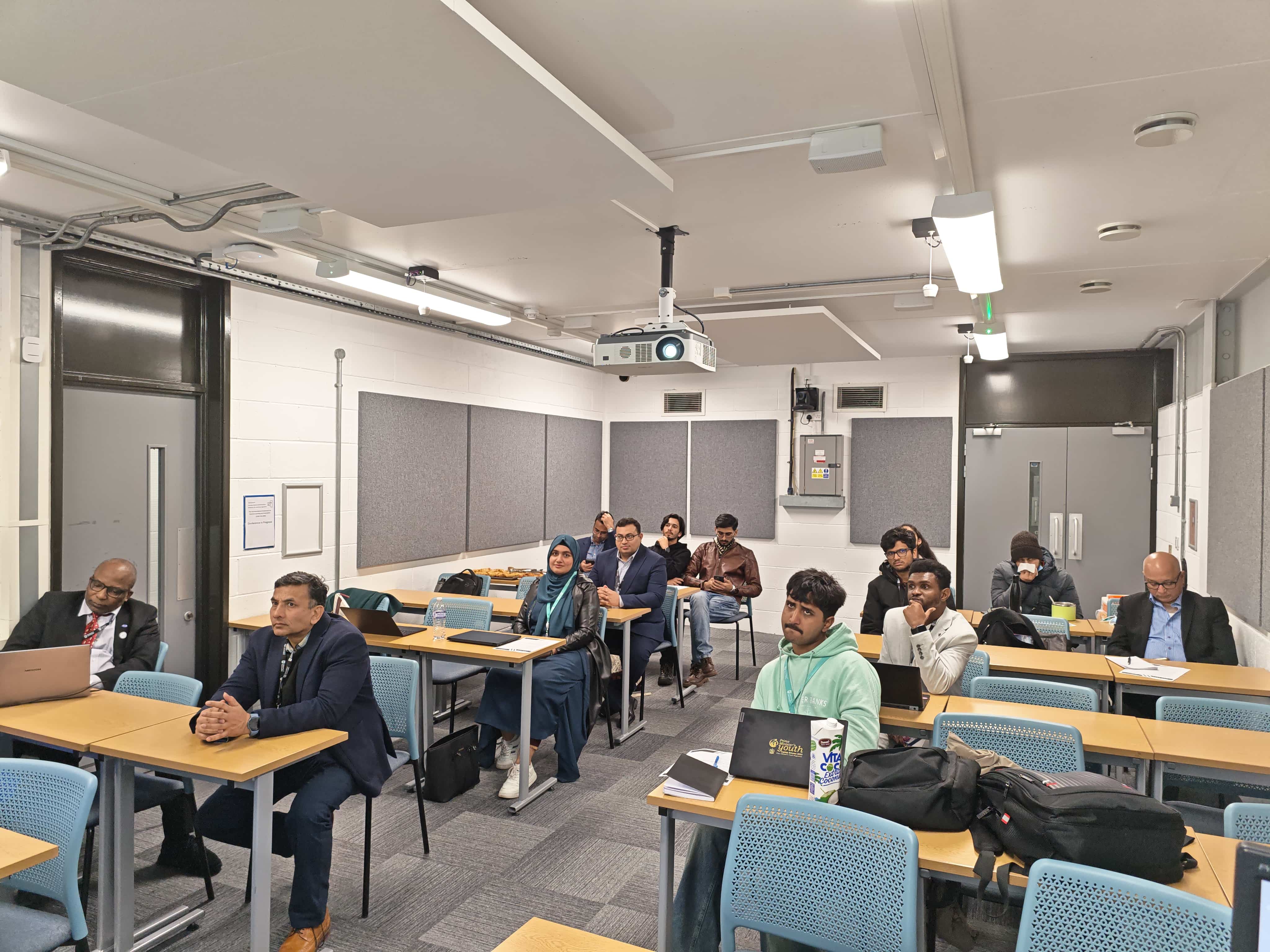
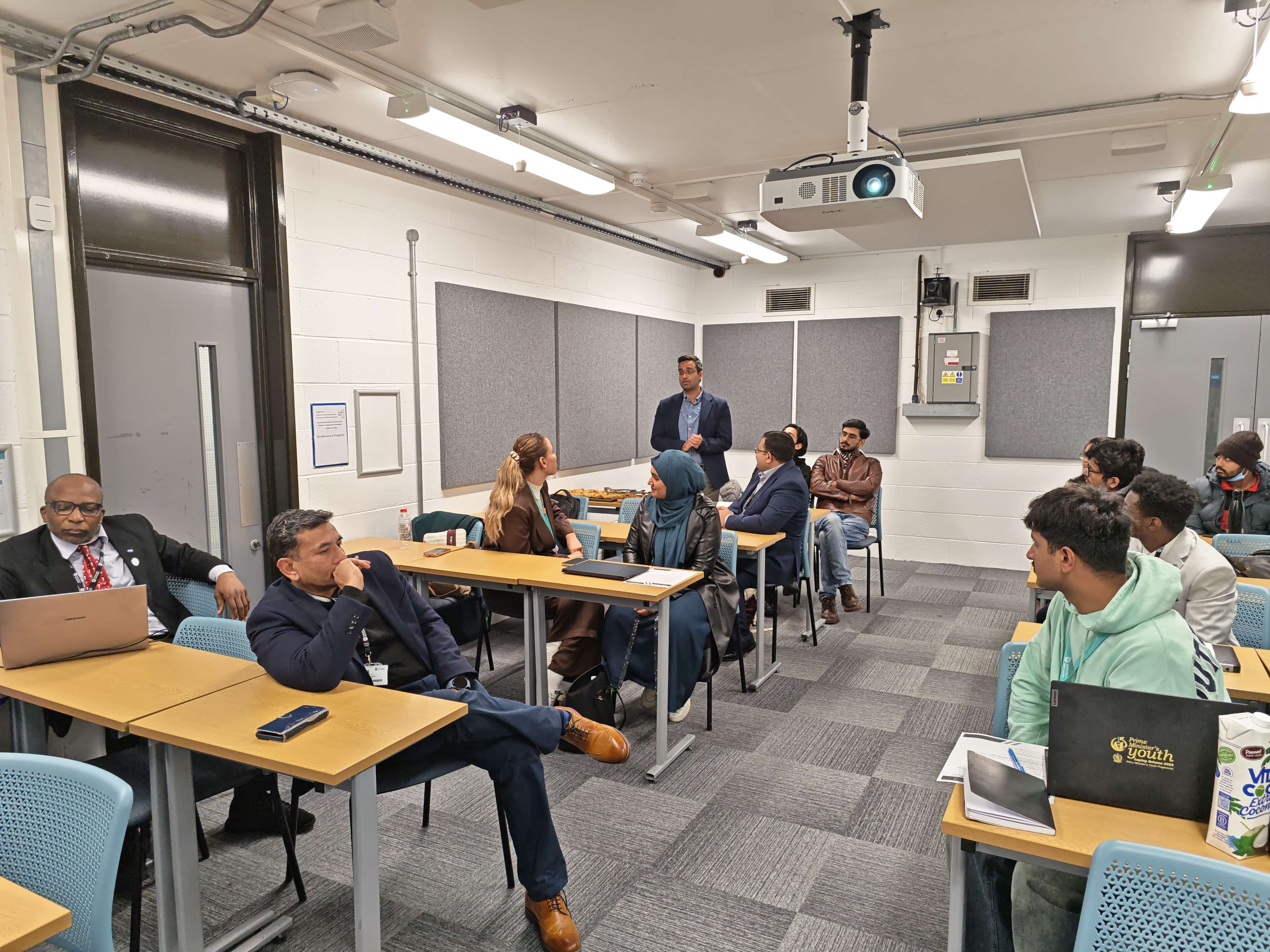
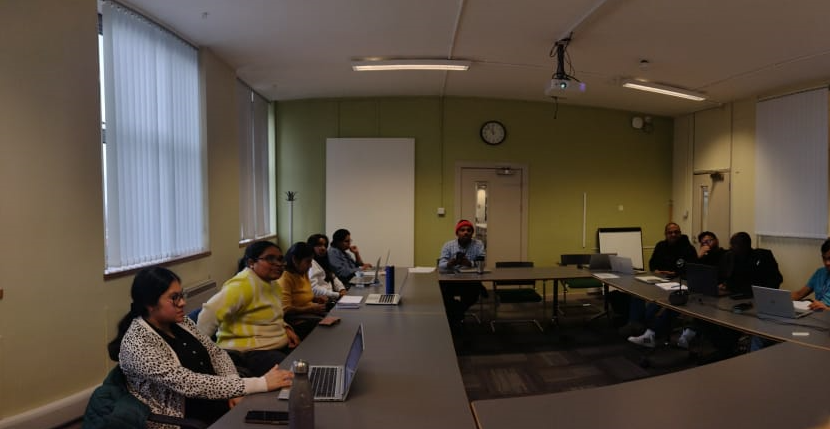
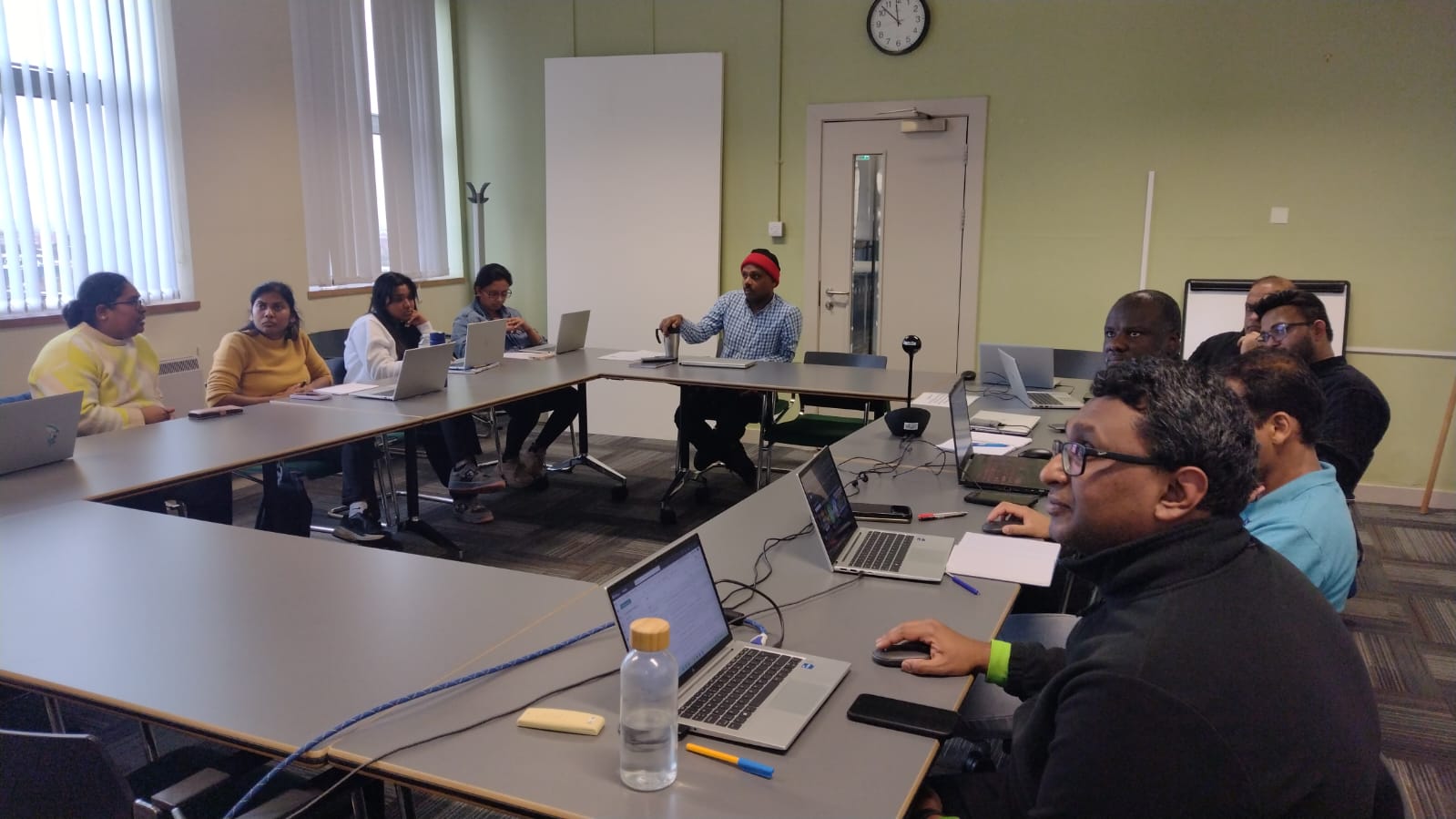
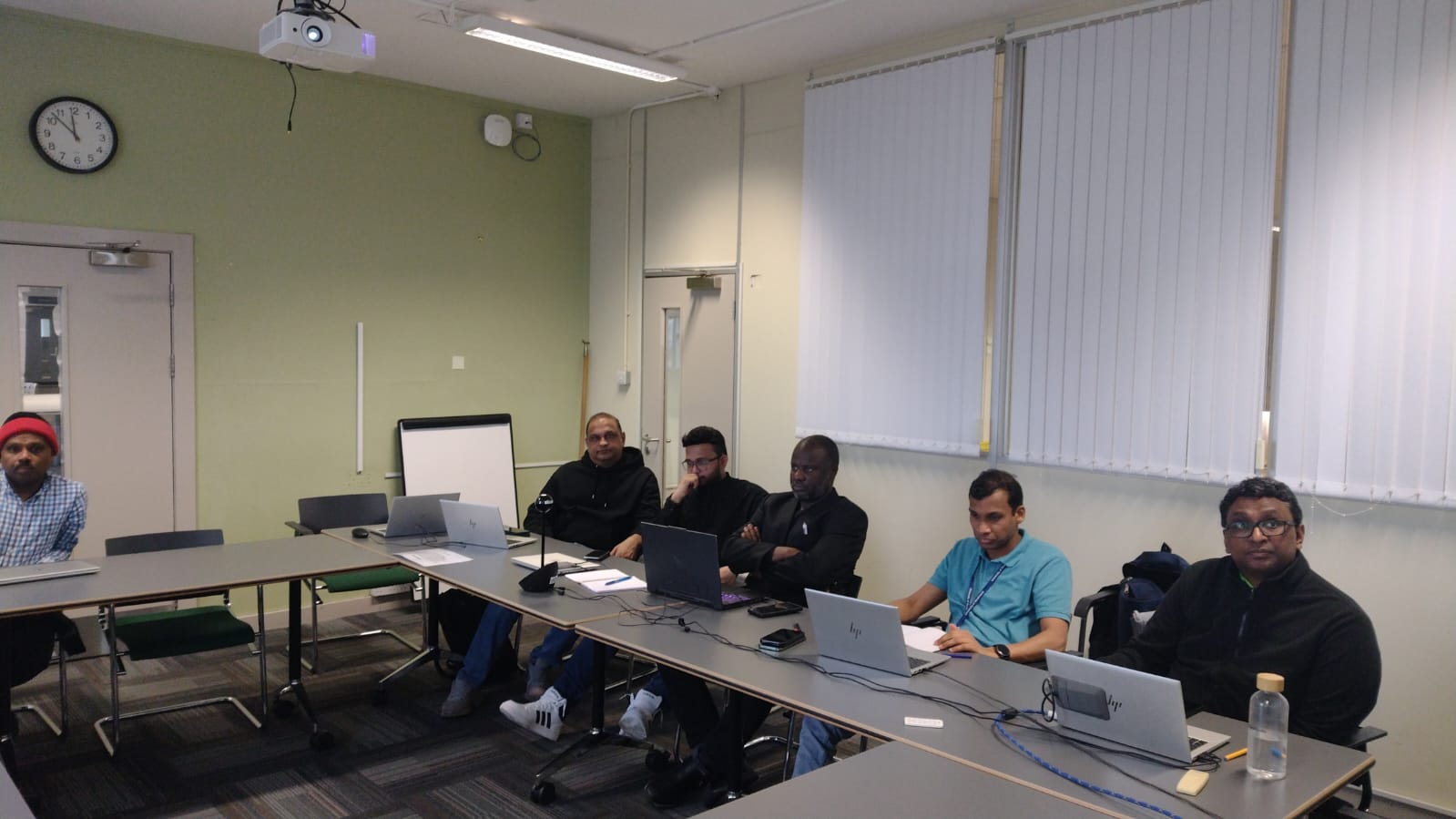
The ISA 2025 symposium, held on 17 November 2025 at the University of East London, convened researchers and practitioners to examine advances in AI models, IoT systems, and robotic algorithms. The Symposium programme featured five research presentations, four of which I had the privilege to contribute to, covering hybrid AI architectures, cloud-native intelligent workflows, explainable automation, and multimodal forecasting. Twenty-seven attendees participated in focused talks, lively Q&A sessions, and an extended networking period, which promoted cross-disciplinary dialogue between AI, FinTech, IoT, and robotics communities. Participants engaged further via LinkedIn, amplifying key takeaways and forming new contacts.
Immediate outcomes include invitations for follow-on publications, exploratory proposals for joint projects, and concrete leads for industry collaboration. Attendees reported gaining actionable insights on balancing model accuracy and deployment efficiency, and on utilising explainable AI (XAI) for clinical and industrial settings. Overall, the symposium strengthened research profiles, catalysed new research partnerships, and mapped clear pathways for future work and student involvement in intelligent systems research.
School of Artificial Intelligence, School of Computer Science & Technology, China University of Mining and Technology, Beijing
Symposium Chair: Prof. Ce Li , Associate Professor in China University of Mining and Technology
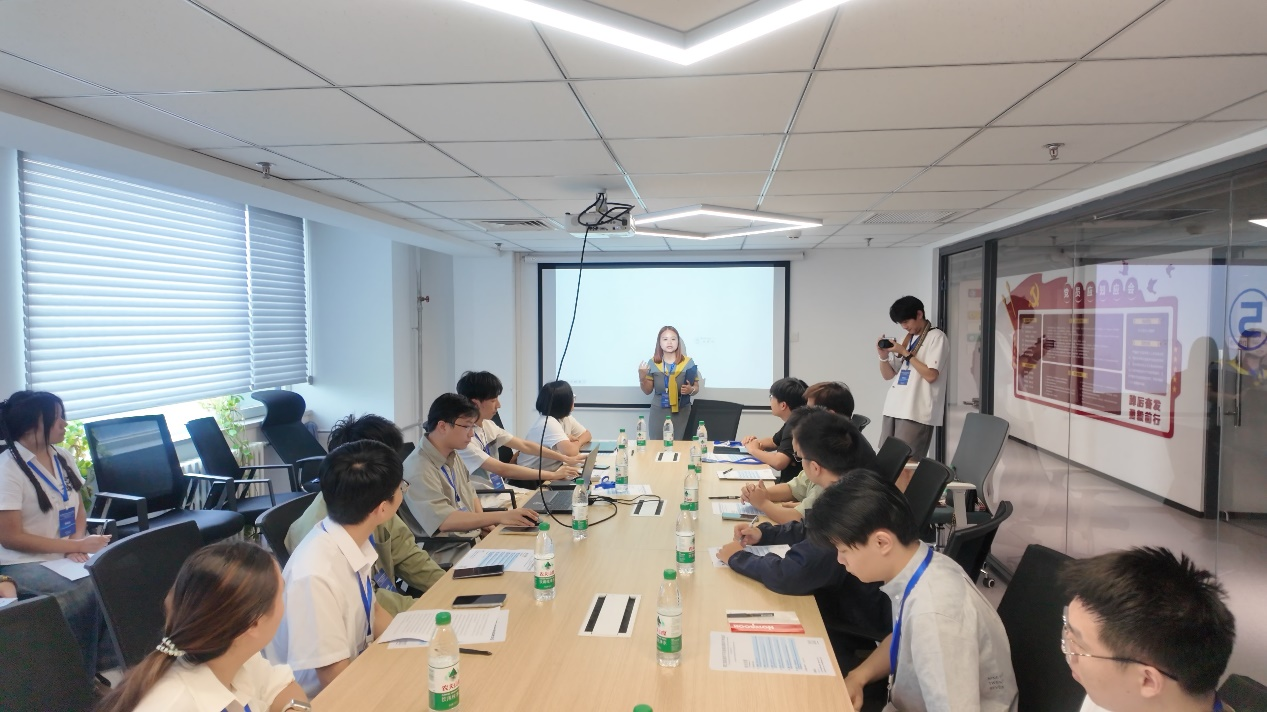
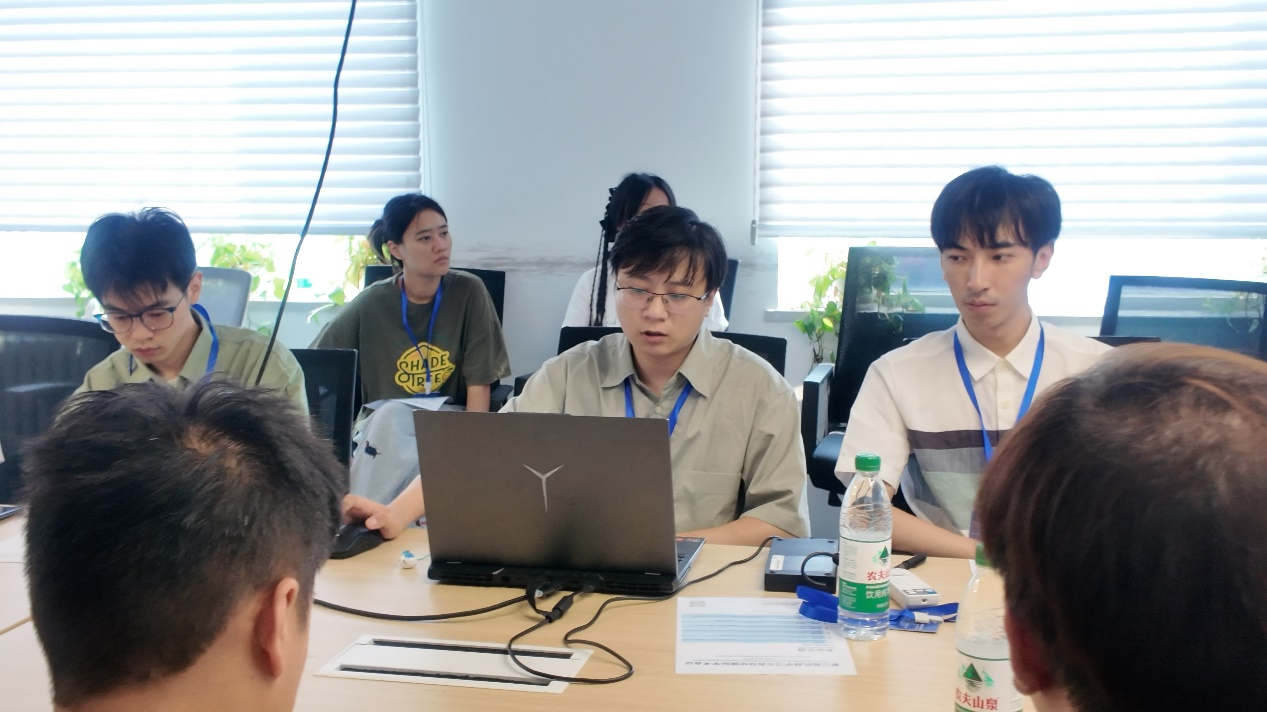
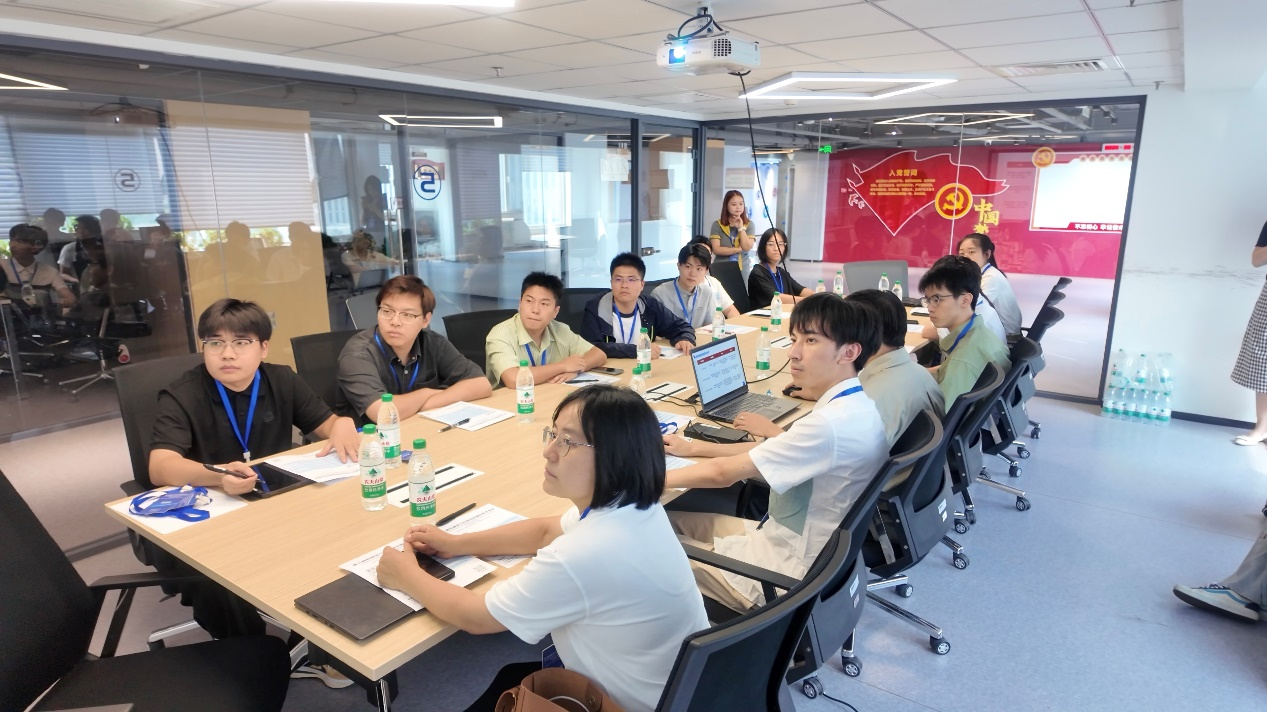
On the afternoon of September 3, 2025, the symposium “Applied Artificial Intelligence Research” was successfully held in Room 901, Building 8, Shahe Campus of China University of Mining and Technology, Beijing (CUMTB).
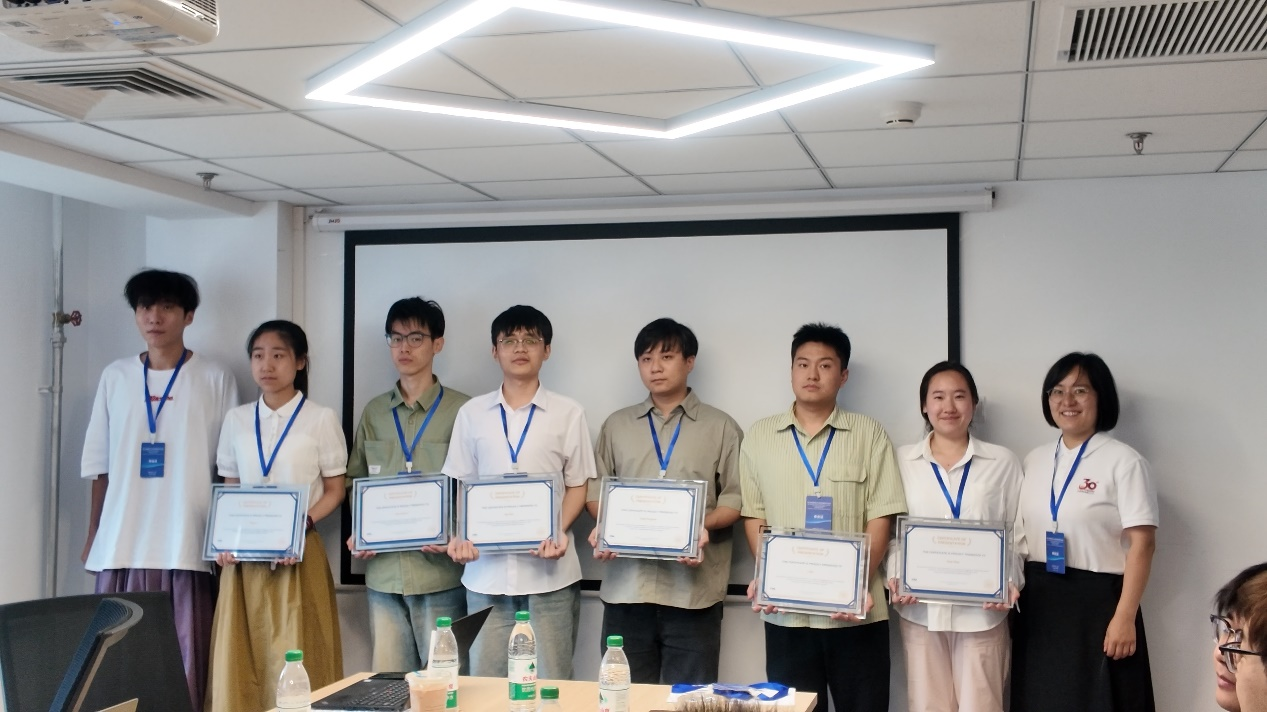
The symposium was chaired by Professor Li Ce from the School of Artificial Intelligence at CUMTB. Attendees included Associate Professor Li Xiaolong, Director of the Teaching and Research Center at the Postal Management Department of Beijing University of Posts and Telecommunications, along with master's and doctoral students from the School of Artificial Intelligence at China University of Mining and Technology, Beijing. The event began with an introduction to the relevant journal content by a representative from EWA Publishing, followed by presentations from master's and doctoral students, who shared their recent research findings. Other participants posed questions to the speakers based on their presentations. The conference concluded with closing remarks by Associate Professor Li Xiaolong, who also presented certificates to the speakers.
During the symposium, speakers and attendees engaged in lively academic discussions, with many expressing that they had gained valuable insights from the event. The event concluded successfully amidst a dynamic exchange of ideas and intellectual discourse.
ITM Department, Illinois Institute of Technology, USA
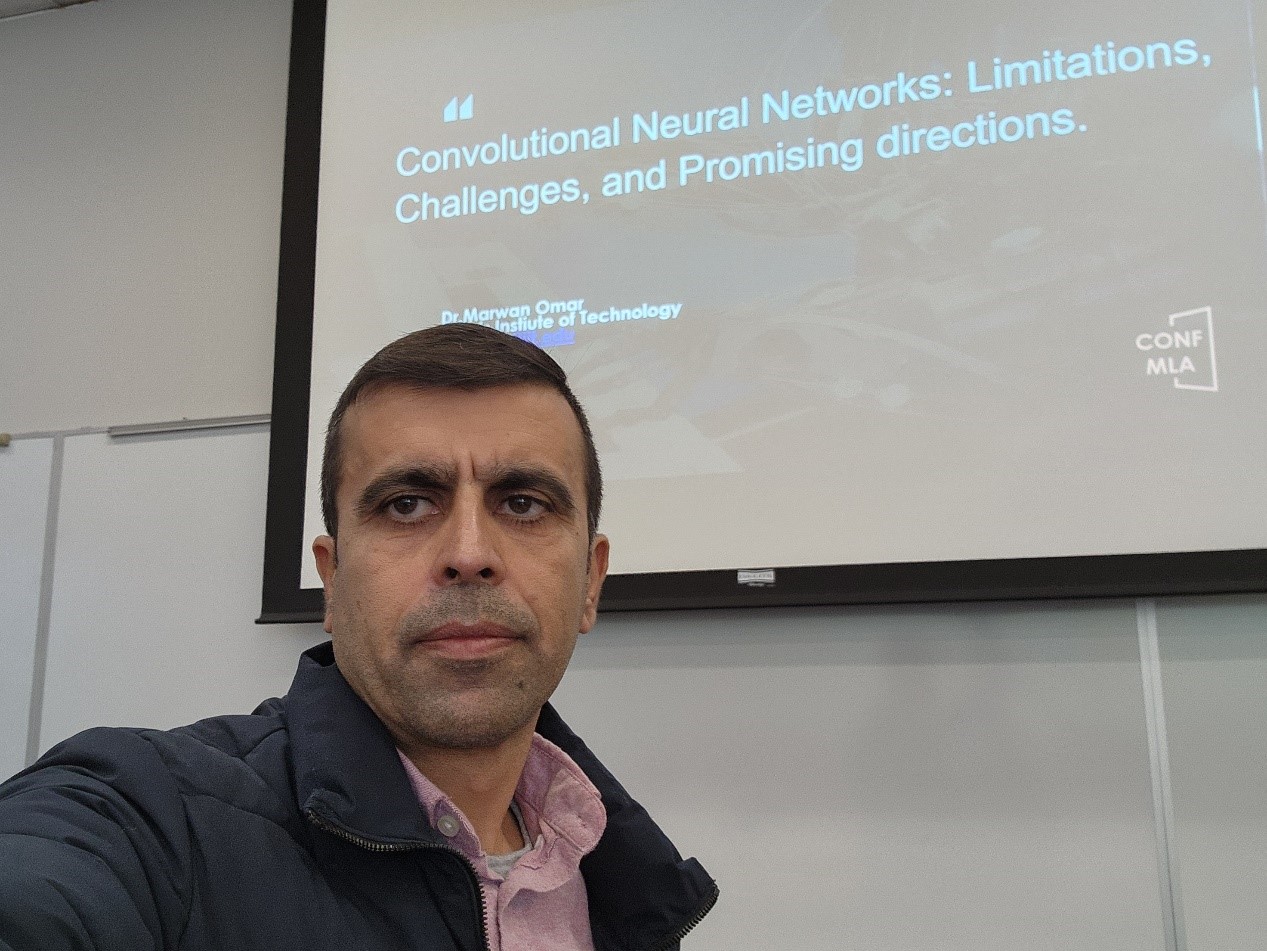
Symposium Chair: Dr. Marwan Omar, Associate Professor in Illinois Institute of Technology
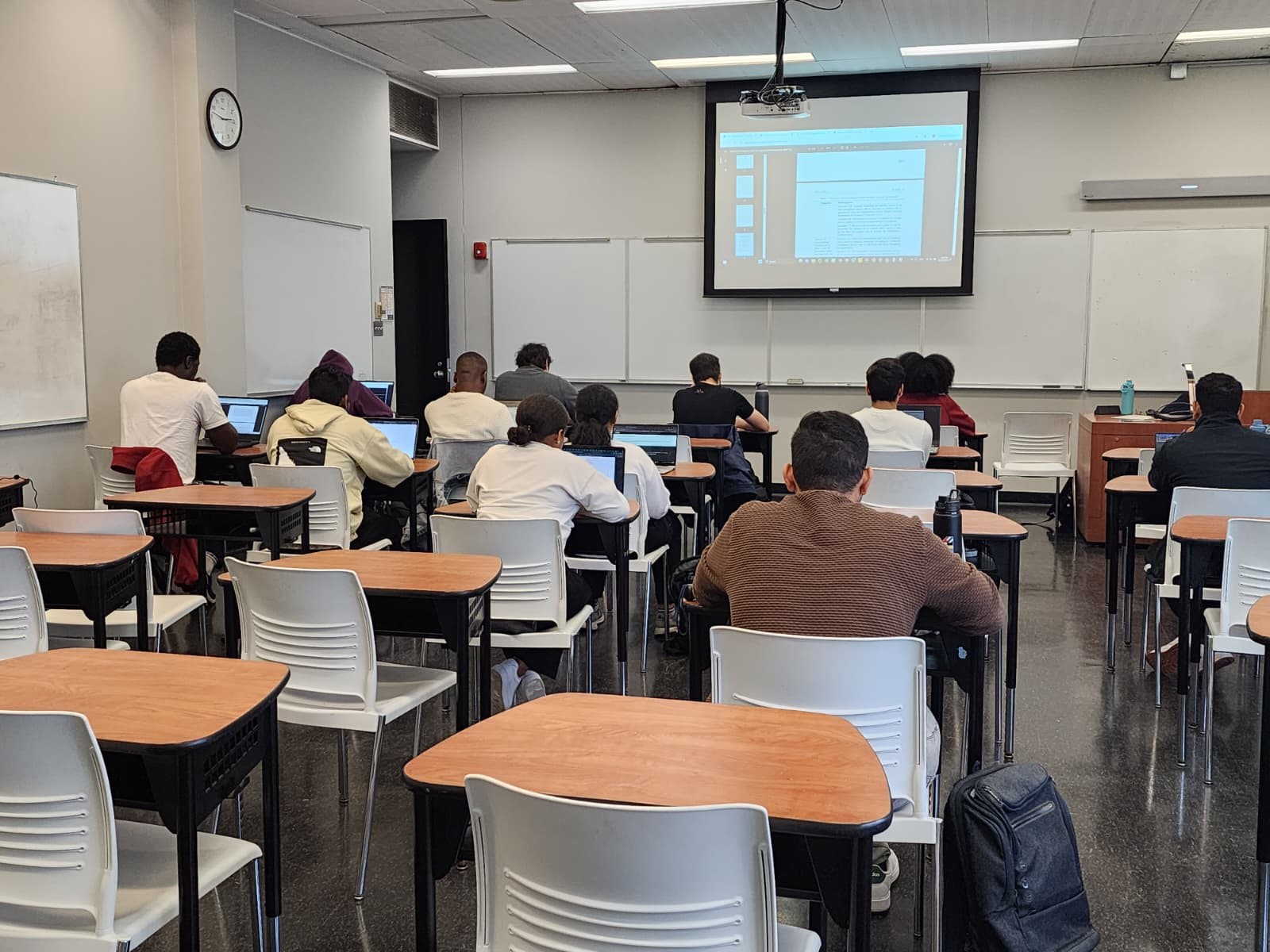
The symposium Convolutional Neural Networks: Limitations, Challenges, and Promising Directions aims to explore the key challenges and limitations associated with Convolutional Neural Networks (CNNs) while shedding light on emerging solutions and future research directions. CNNs have become integral to various applications, especially in image recognition and natural language processing, but they are not without their obstacles. This session will address issues such as computational intensity, vulnerability to adversarial attacks, overfitting, and difficulties in interpreting model decisions.
Participants will gain a comprehensive understanding of CNNs' limitations and the ongoing efforts in the research community to tackle these problems. The symposium will introduce cutting-edge developments like new CNN architectures, regularization techniques, strategies for improving robustness, and advancements in model interpretability. Through a combination of theoretical insights, practical examples, and hands-on exercises, attendees will learn how to address these challenges in real-world applications.
The symposium is designed for those with a basic understanding of deep learning, including students, researchers, and professionals in the field. By the end of the session, participants will not only be equipped with knowledge of CNN limitations but also inspired to explore promising solutions that can drive the next generation of AI-driven innovations.
Department of Computer and Information Sciences, University of Strathclyde
Symposium Chair: Prof. Anil Fernando, Professor in University of Strathclyde
This symposium explored hyperprior coding through a data science lens, framing it as a hierarchical probabilistic modeling problem for image and video compression. We emphasized how the hyperprior acts as a latent variable model that learns the underlying distribution of the primary encoded data, enabling more efficient entropy coding.
Discussions focused on the machine learning pipeline inherent in these models, from the variational inference used to train the autoencoder to the hyperprior's role as a deep density estimator that predicts the parameters (e.g., mean and scale) of the primary latent's probability distribution. A key theme was managing the trade-off between model complexity, data fidelity, and bitrate a classic trilemma in data-driven engineering.
We analyzed the challenges of training such generative models, including avoiding overfitting to specific data domains and ensuring robust generalization across diverse image and video types. Hands-on sessions allowed participants to experiment with training loops, visualize latent space distributions, and quantify the impact of different hyperprior architectures on the final rate-distortion performance.
The symposium underscored how hyperprior coding is a powerful application of deep generative models, demonstrating that the future of data compression lies in accurately learning and exploiting the complex statistical structures within visual data. These principles are directly applicable to other data-intensive fields requiring efficient representation learning, such as genomic data storage and large-scale sensor data transmission.
Online Session
The online session of the The 3rd International Conference on Machine Learning and Automation (CONF-MLA 2025) was held on November 17, 2025. Dr. Marwan Omar from Illinois Institute of Technology, Dr. Elisavet Andrikopoulou from University of Portsmouth, Dr. Hisham AbouGrad from University of East London and Dr. Faheem Ullah from The University of Adelaide have given keynote speeches on related topics of computing, machine learning, Artificial Intelligence and Automation, etc.
Highlights
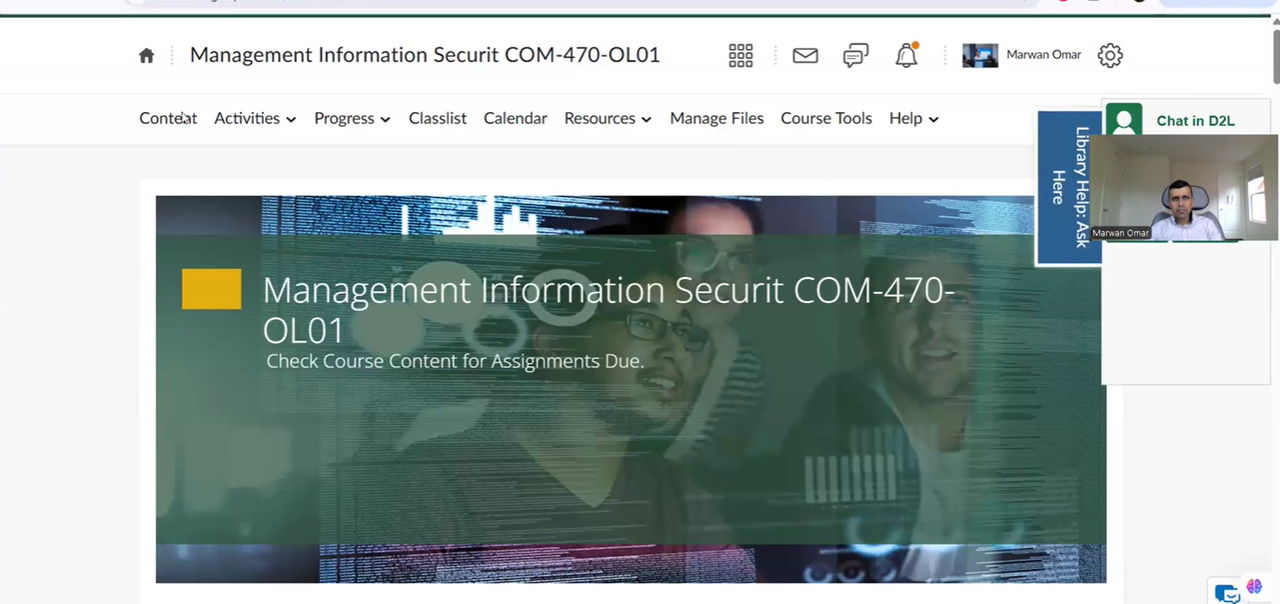
Title of Speech: Android Malware and The Role of Machine Learning
Presented by: Dr. Marwan Omar, Associate Professor, Faculty of Information
Technology and Management, Illinois Institute of Technology
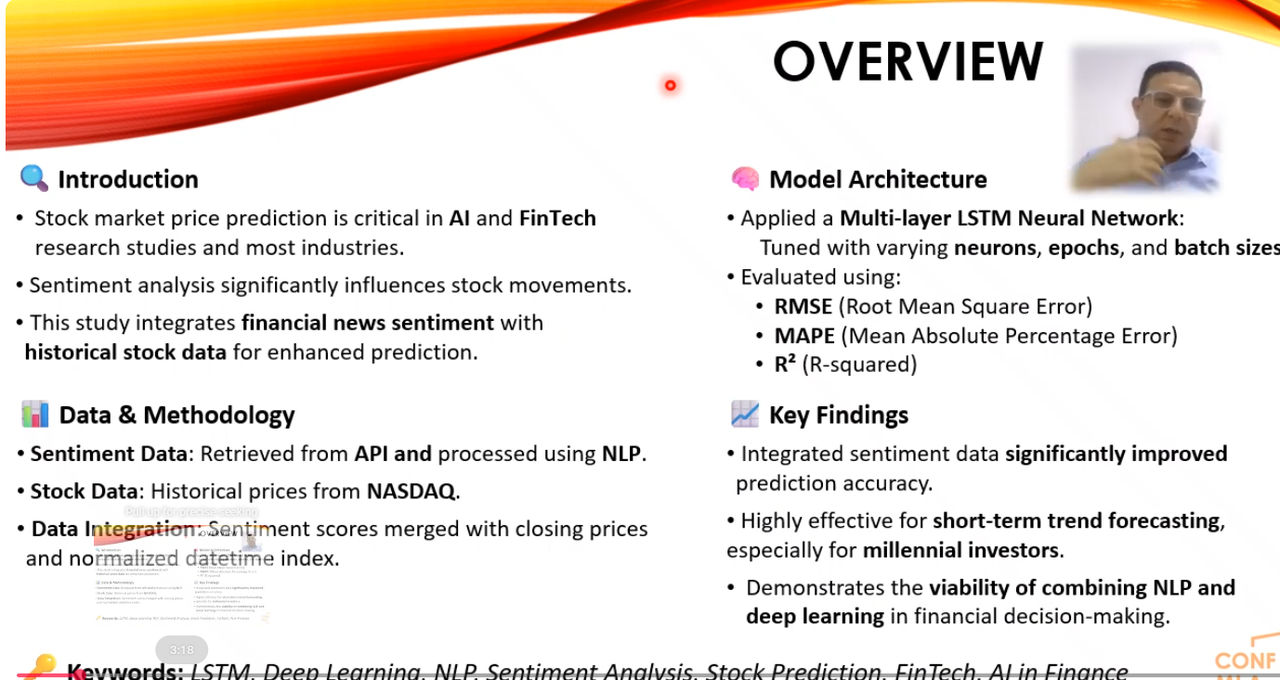

Title of Speech: AI-Powered Financial Decision-Making Framework to Predict Stock
Price Using LSTM Algorithm and NLP-Driven Sentiment Analysis Model
Presented by: Dr. Hisham AbouGrad, Senior Lecturer, Department of Engineering &
Computing, University of East London
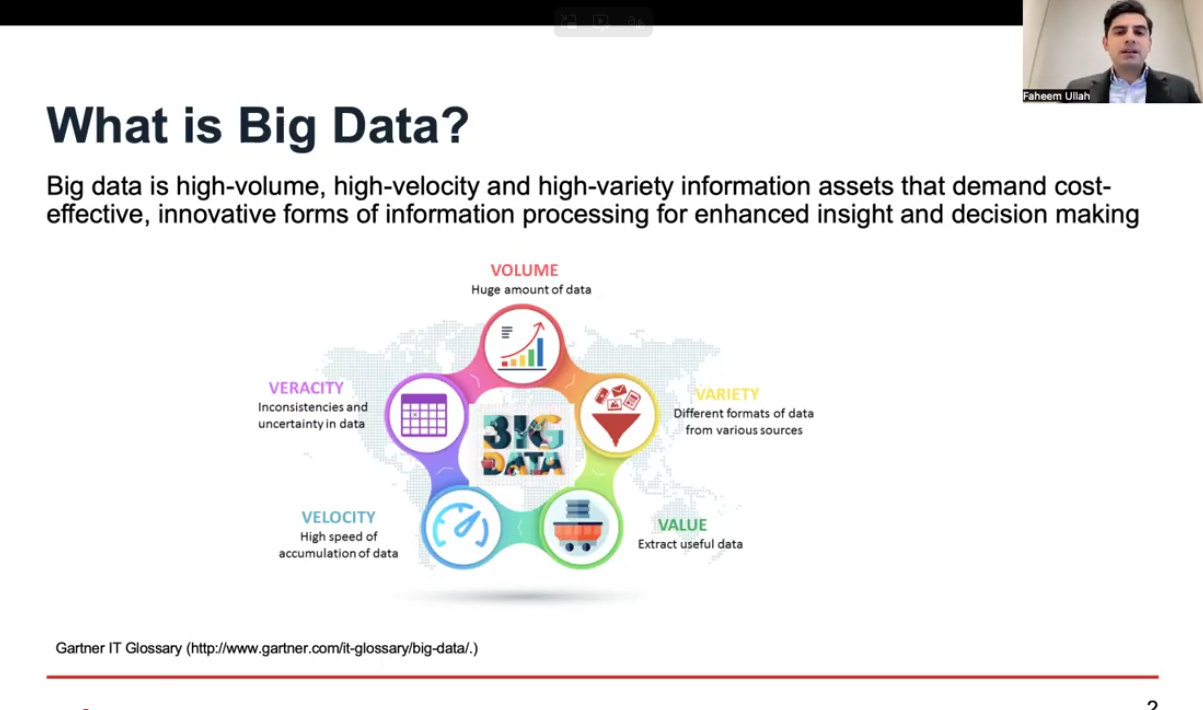
Title of Speech: Evaluation of Big Data Systems in Edge and Cloud
Environments
Presented by: Dr. Faheem Ullah, Assistant Professor, School of Computer and
Mathematical Sciences, The University of Adelaide
Videos
You can find the Youtube Playlist of online session Here.
Publications
Accepted papers of CONF-MLA 2025 have been published in Applied and Computational Engineering (Print ISSN: 2755-2721) and were submitted to EI Compendex, Conference Proceedings Citation Index (CPCI), Crossref, Portico, Google Scholar, and other databases or indexing.
Title: Applied and Computational Engineering
Press: EWA Publishing, United Kingdom
ISSN: 2755-2721