CONF-MLA 2025

Data Science and Information Compression: Hyperprior Models and Beyond


Date

November 20th, 2025 (UTC+1)

Organizer

Department of Computer and Information Sciences, University of Strathclyde


Symposium Chair

Dr. Anil Fernando
Professor in University of Strathclyde

Personal Bio

Prof. Anil Fernando received the B.Sc. (Hons.) degree (First Class) in electronics and telecommunication engineering from the University of Moratuwa, Sri Lanka, in 1995, and the M.Sc. in Communications (Distinction) from the Asian Institute of Technology, Bangkok, Thailand in 1997 and Ph.D. in Computer Science (Video Coding and Communications) from the University of Bristol, UK in 2001. He is a professor in Video Coding and Communications at the Department of Computer and Information Sciences, University of Strathclyde, UK. He leads the video coding and communication research team at Strathclyde. He has worked on major national and international multidisciplinary research projects and led most of them. He has published over 460 papers in international journals and conference proceedings and published a book on 3D video broadcasting. He has been working with all major EU broadcasters, BBC, and major European media companies/SMEs in the last decade in providing innovative media technologies for British and EU citizens. His main research interests are in Video coding and Communications, Machine Learning (ML) and Artificial Intelligence (AI), Semantic Communications, Signal Processing, Networking and Communications, Interactive Systems, Resource Optimizations in 6G, Distributed Technologies, Media Broadcasting and Quality of Experience (QoE).

Committee Members

Mr. Nimesh Pollwaththage, University of Strathclyde, [email protected]
Mr. Prabhath Samarathunga, University of Strathclyde, [email protected]

Call for Papers

Background

Modern AI-based compression works by transforming an image into a condensed, digital representation. To save space, this representation must be compressed losslessly—a process known as entropy coding, which works best when it knows which values are likely to occur. The fundamental challenge is that this likelihood changes from one image region to another. A flat sky has predictable data, while a detailed texture is highly random. Early AI models used a single, average model to predict these probabilities, which was inefficient.

The hyperprior architecture solved this by introducing a clever two-part system. The primary network analyzes the image to create the main compressed representation. A second, auxiliary network then analyzes that representation to estimate its own complexity and variation. This “hyperprior” information serves as a compact data-driven model that dynamically guides the compression process—an application deeply rooted in data science principles such as probabilistic modeling, information theory, and data distribution analysis.

In essence, the hyperprior provides a dynamic, context-aware guide for the entropy coder. This allows the model to use fewer bits for predictable areas and more bits for complex ones, dramatically improving compression efficiency without sacrificing quality and establishing a new standard in neural codec design.

Goal/Rationale

The rapid evolution of machine learning and data science is fundamentally reshaping image and video compression, moving beyond traditional standards. Techniques like hyperprior entropy coding are at the forefront, demonstrating a paradigm shift towards AI-native codecs that leverage data-driven statistical inference and predictive modeling for superior efficiency and scalability.

However, a significant gap exists between cutting-edge research and its practical implementation within industry and product development teams. The primary goal of this workshop is to bridge this gap by translating the data science foundations—such as probabilistic estimation, data distribution modeling, and adaptive learning—into actionable understanding for engineers and researchers.

We aim to provide a comprehensive, accessible foundation in neural compression, with a dedicated focus on the principles and power of hyperprior architectures. This session is designed not just to explain the “what,” but the “why,” demystifying how these models dynamically adapt to data patterns to create highly efficient, context-aware representations.

By equipping participants with this data science–oriented perspective, the workshop empowers them to innovate across applications ranging from streaming and virtual reality to on-device AI and next-generation storage systems—where intelligent data handling is key to performance and scalability.

Scope and Information for Participants

This workshop provides a clear, practical journey from foundational concepts to real-world application. We begin by building intuition for entropy coding as a data science problem—understanding probability estimation, data distributions, and model adaptability in neural networks. The core of the session will be a detailed, non-mathematical exploration of the hyperprior architecture, illustrating how it models uncertainty and variance to achieve state-of-the-art compression.

The scope will extend beyond theory to practical considerations, including model variants, computational trade-offs, and integration into full compression pipelines. Participants will gain insights into data-driven model training, performance evaluation, and benchmarking against conventional codecs.

This session is ideal for data scientists, machine learning engineers, software developers in multimedia, and technical product managers. A basic understanding of deep learning is beneficial, but no prior expertise in compression is required. You will leave with data science–based insights into how hyperprior models work and how to apply them in your own projects.
Submission

Prospective authors are kindly invited to submit full papers that include title, abstract, introduction, tables, figures, conclusion and references. It is unnecessary to submit an abstract in advance. The deadline for general submission is November 13, 2025.

Each paper should be no less than 4 pages. One regular registration can cover a paper of 6 pages, and additional pages will be charged. Please format your paper well according to the conference template below before submission.

Please prepare your paper in both .docx and .pdf format and submit your full paper by email with both formats attached directly to [email protected].

Topics

This symposium welcomes submissions with the following topics

Machine Learning

  • Supervised Learning
  • Unsupervised Learning
  • Reinforcement Learning
  • Deep Learning
  • Convolutional Neural Networks
  • Recurrent Neural Networks
  • Generative Adversarial Networks
  • Transfer Learning
  • Ensemble Learning
  • Explainable AI
  • Natural Language Processing
  • Speech Recognition
  • Image Recognition
  • Recommendation Systems
  • Anomaly Detection
  • Cluster Analysis
  • Dimensionality Reduction
  • Feature Engineering
  • Model Evaluation

Meanwhile, submissions aligned with the overall conference scope are also welcomed.

Automation

  • AI-Assisted Design
  • Automated Machine Learning
  • Clustering and Classification
  • Collaborative Filtering and Recommendation Systems
  • Computer Vision
  • Cyber-Physical Systems
  • Data Preprocessing Methods
  • Feature Selection Approaches
  • Graph and Network Data
  • Home Automation
  • Regression with Machine Learning
  • Robotic Process Automation
  • Sensor Technology
  • Warehouse Automation
  • Hyperparameter Optimization
  • Industrial Automation
  • IoT (Internet of Things)
  • Machine-to-Machine Communication
  • Meta-learning
  • Model Interpretability Techniques
  • Model Selection Strategies
  • Neural Architecture Search
  • Pipeline Generation Methods
  • Predictive Maintenance
  • Process Automation
  • Supply Chain Automation
  • Time Series Analysis

Robotics and Intelligent Systems

  • Aerial and Underwater Robotics
  • Assistive Devices and Exoskeletons
  • Autonomous Vehicles
  • Deep Learning for Robotic Vision
  • Drones
  • Human-Robot Collaboration and Learning
  • Human-Robot Interaction
  • Imitation Learning and Learning from Demonstration
  • Intelligent Transportation Systems
  • Learning-Based Control and Planning Algorithms
  • Multi-Robot Systems and Learning
  • Reinforcement Learning for Robotics
  • Robotic Manipulation and Grasping
  • Robot Navigation and Path Planning
  • Robot Perception
  • Transfer Learning and Domain Adaptation

Submission & Payment

Type Regular Submission
Final Submission November 13, 2025
Review Process 2 weeks
Revise & Acceptance 2 weeks
Registration & Payment 2 weeks

Fees

Items Amount (VAT Included)
Registration and Publishing Fee (6 pages included) $500
Additional Page $40/extra page

Publication

Accepted papers of this symposium will be published in Applied and Computational Engineering (Print ISSN: 2755-2721), and will be submitted to Conference Proceedings Citation Index (CPCI), Crossref, Portico, Inspec, Google Scholar, CNKI, and other databases for indexing. The situation may be affected by factors among databases like processing time, workflow, policy, etc.

This symposium is organized by CONF-MLA 2025 and will independently proceed the submission and publication process.

Please note that the publication policy may vary between different publishers. For details regarding the publication process, kindly refer to the policies of the respective publisher.

Highlights

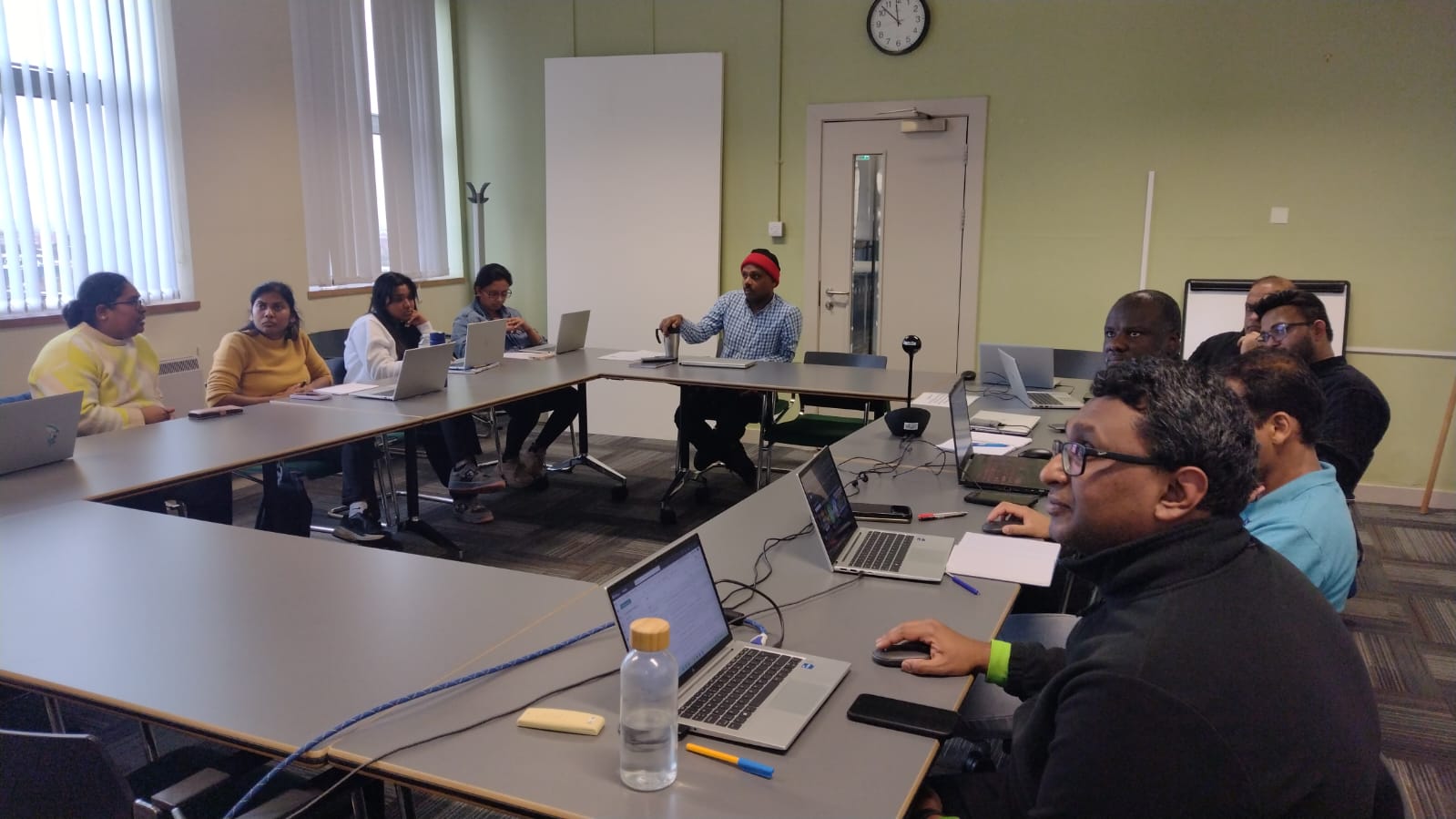
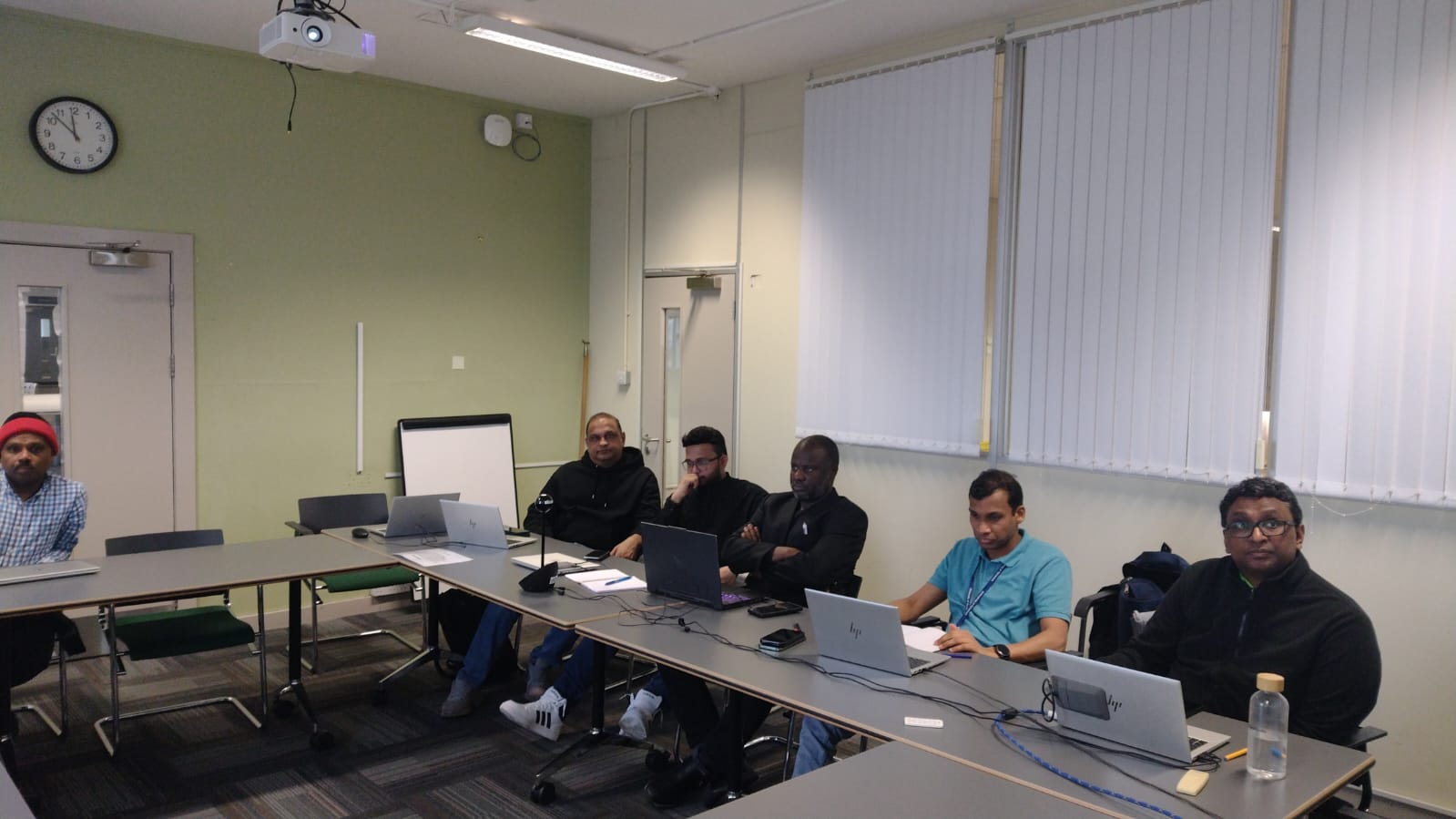
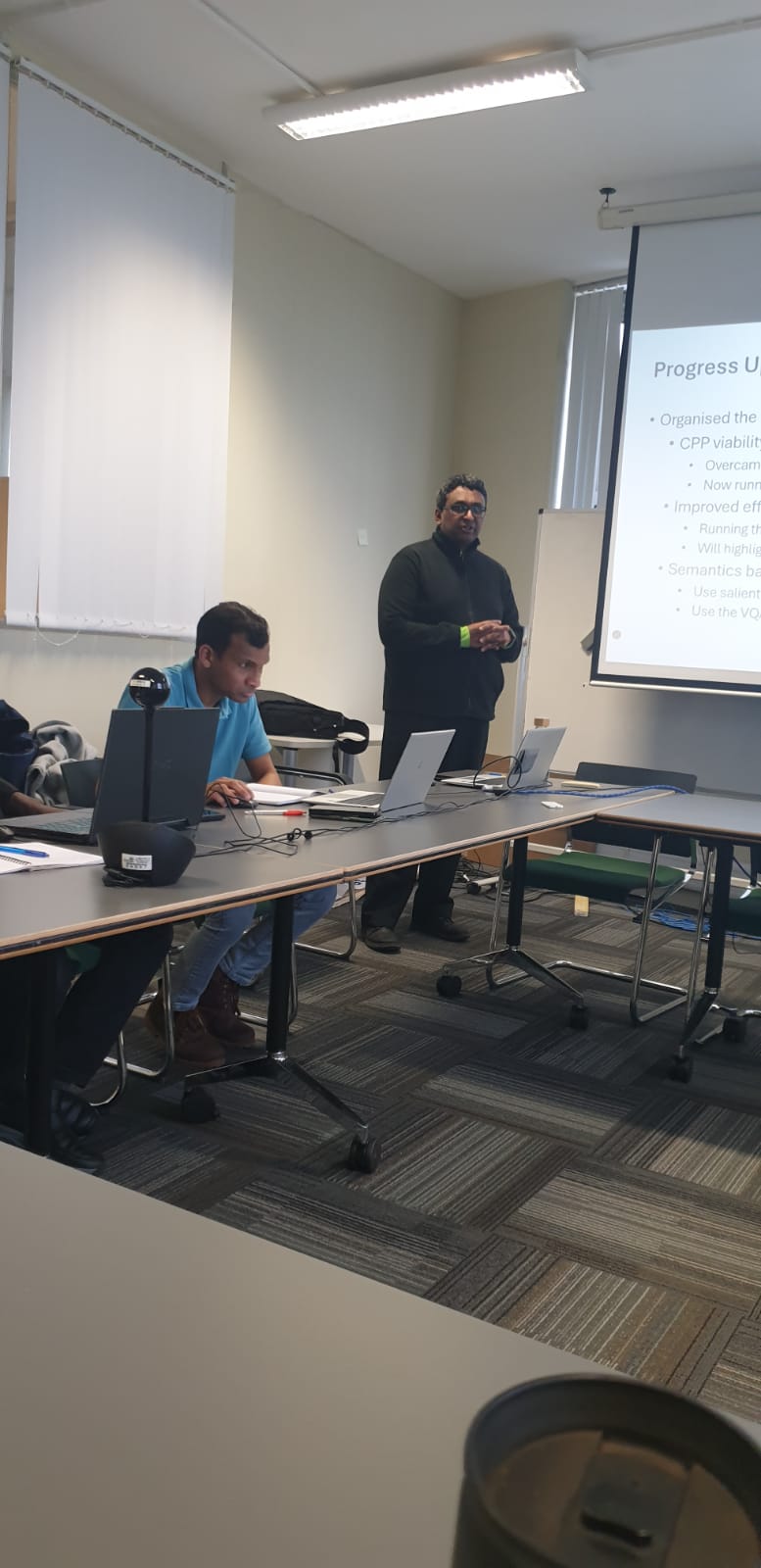
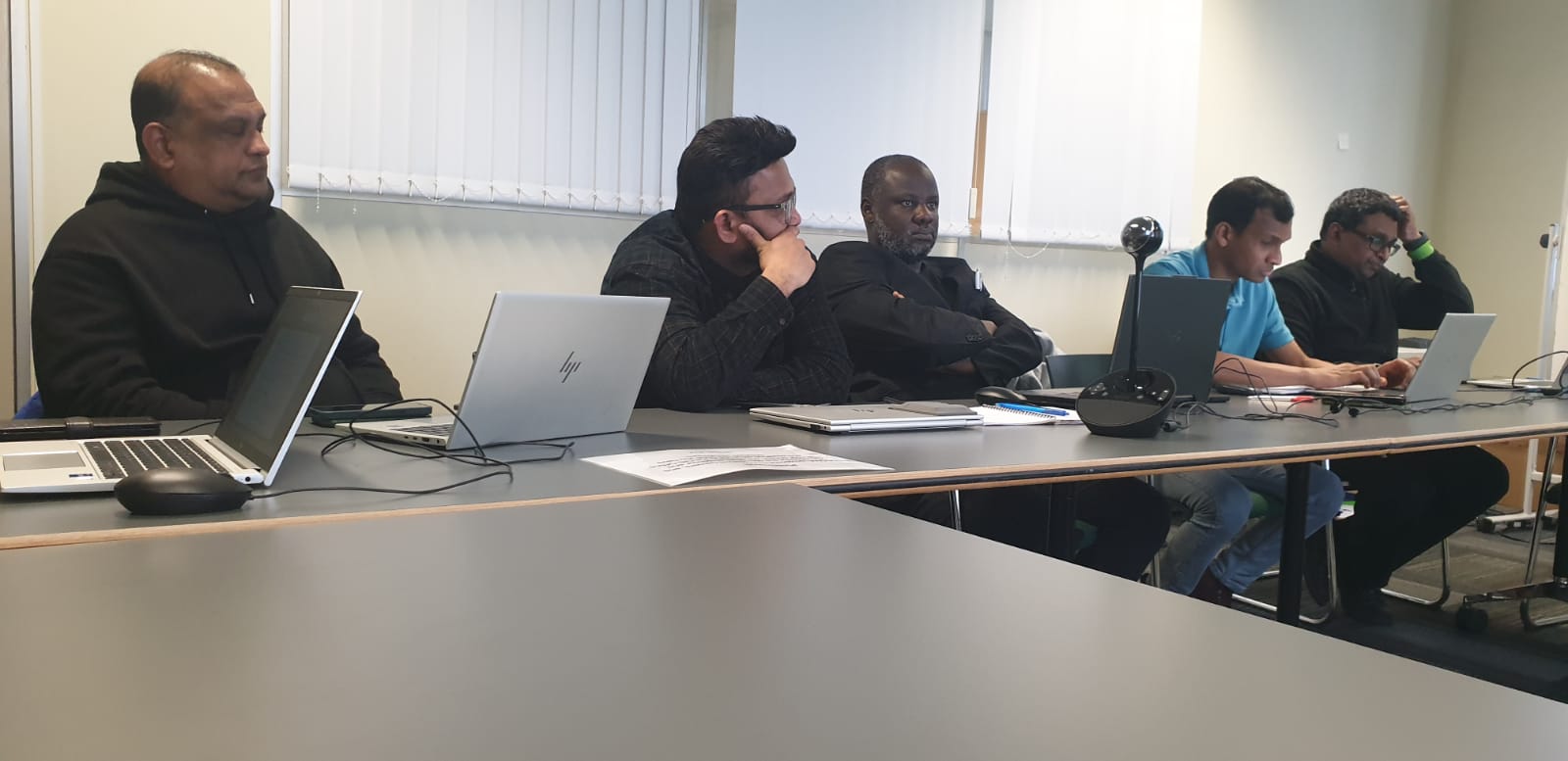
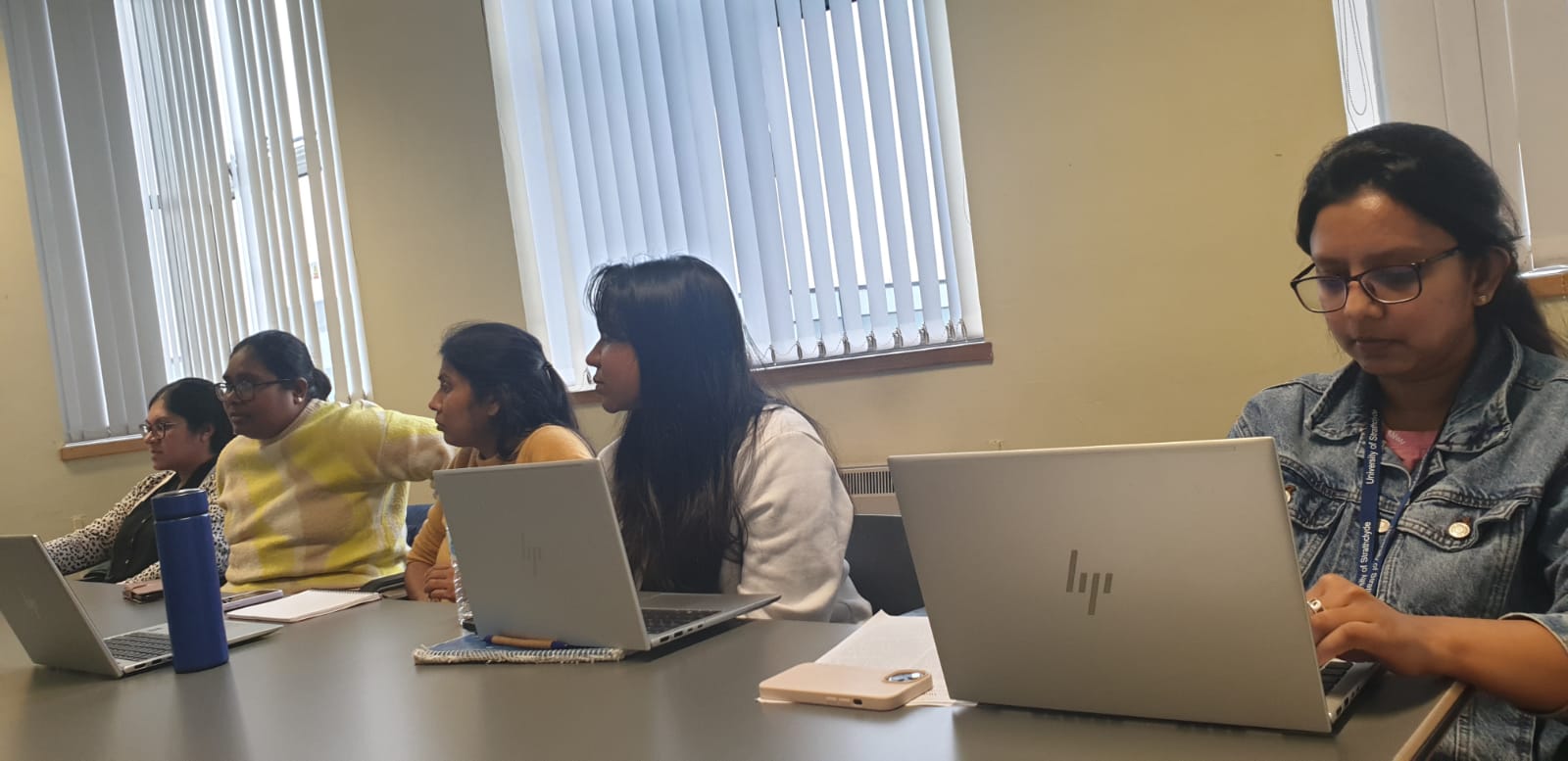
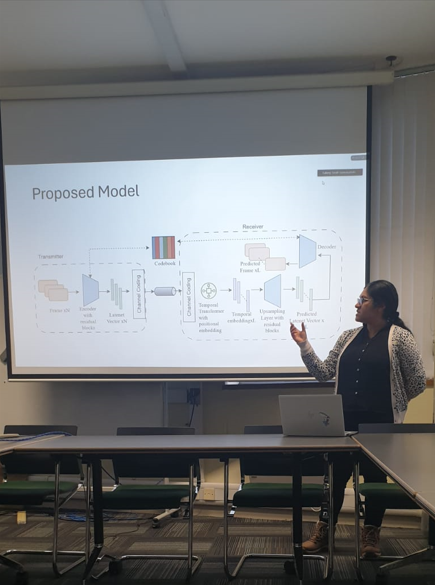
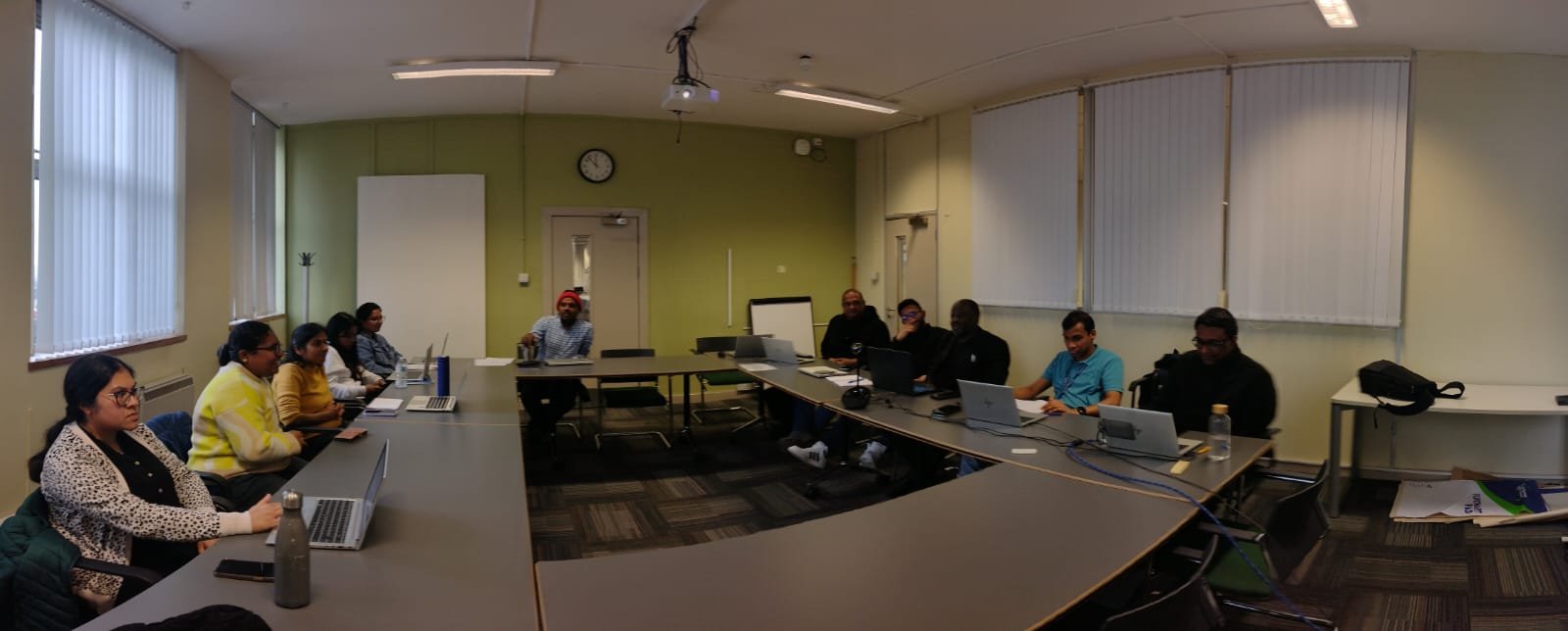
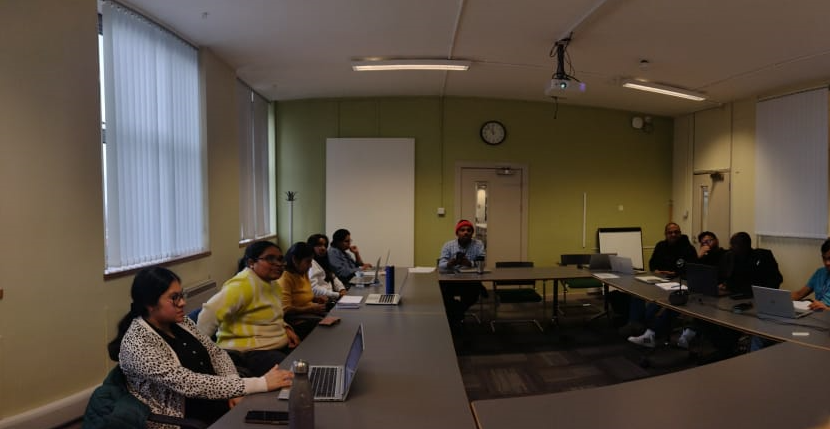
This symposium explored hyperprior coding through a data science lens, framing it as a hierarchical probabilistic modeling problem for image and video compression. We emphasized how the hyperprior acts as a latent variable model that learns the underlying distribution of the primary encoded data, enabling more efficient entropy coding.

Discussions focused on the machine learning pipeline inherent in these models, from the variational inference used to train the autoencoder to the hyperprior's role as a deep density estimator that predicts the parameters (e.g., mean and scale) of the primary latent's probability distribution. A key theme was managing the trade-off between model complexity, data fidelity, and bitrate a classic trilemma in data-driven engineering.

We analyzed the challenges of training such generative models, including avoiding overfitting to specific data domains and ensuring robust generalization across diverse image and video types. Hands-on sessions allowed participants to experiment with training loops, visualize latent space distributions, and quantify the impact of different hyperprior architectures on the final rate-distortion performance.

The symposium underscored how hyperprior coding is a powerful application of deep generative models, demonstrating that the future of data compression lies in accurately learning and exploiting the complex statistical structures within visual data. These principles are directly applicable to other data-intensive fields requiring efficient representation learning, such as genomic data storage and large-scale sensor data transmission.

Image 1
Image 2
Image 3
Image 4
Image 5
Image 6
Image 7
Image 8

Access to Symposium: CONF-MLA 2025 Symposium -- Glasgow - YouTube

Venue

Room LT507, Livingston Tower, Department of Computer and Information Sciences, University of Strathclyde, Glasgow, UK

UK Visa Information

Welcome to GOV.UK

In order to ensure the information is correct and up to date, there may be changes which we are not aware of. And different countries have different rules for the visa application. It is always a good idea to check the latest regulations in your country. This page just gives some general information of the visa application.

What you need to do

  • Check if what you plan to do in the UK is allowed as a Standard Visitor.
  • Check you meet the eligibility requirements.
  • Check if you need to apply for a visa to visit the UK.
  • Apply for a Standard Visitor visa online - if you need one.

Check you meet the eligibility requirements

You must have a passport or travel document to enter the UK. It should be valid for the whole of your stay.

You must be able to show that:

  • You'll leave the UK at the end of your visit.
  • You're able to support yourself and your dependants during your trip (or have funding from someone else to support you).
  • You're able to pay for your return or onward journey (or have funding from someone else to pay for the journey).
  • You'll not live in the UK for extended periods through frequent or successive visits, or make the UK your main home.

Check if you need a visa to visit the UK

Depending on your nationality, you'll either:

  • Have to apply for a Standard Visitor visa before you travel to the UK.
  • Be able to visit the UK for up to 6 months without needing a visa.

You can check if you need a visa before you apply.

If you do not need a visa, you must still meet the Standard Visitor eligibility requirements to visit the UK. You may be asked questions at the UK border about your eligibility and the activities you plan to do.